

Yeast infections
Vaginal yeast infection test: signs and diagnosis

Zineb Sadki
Editorial writing, Santelle
Intimate discomfort can show up as itching, unusual discharge or a burning feeling.
These symptoms can point to a vaginal yeast infection, but also to other imbalances such as bacterial vaginosis.
Understanding the symptoms and knowing when to take a yeast infection test helps avoid diagnostic mistakes and choose the right care.
How do you know if you have a vaginal yeast infection?
Before confirming an infection, it is important to understand what your body is actually telling you.
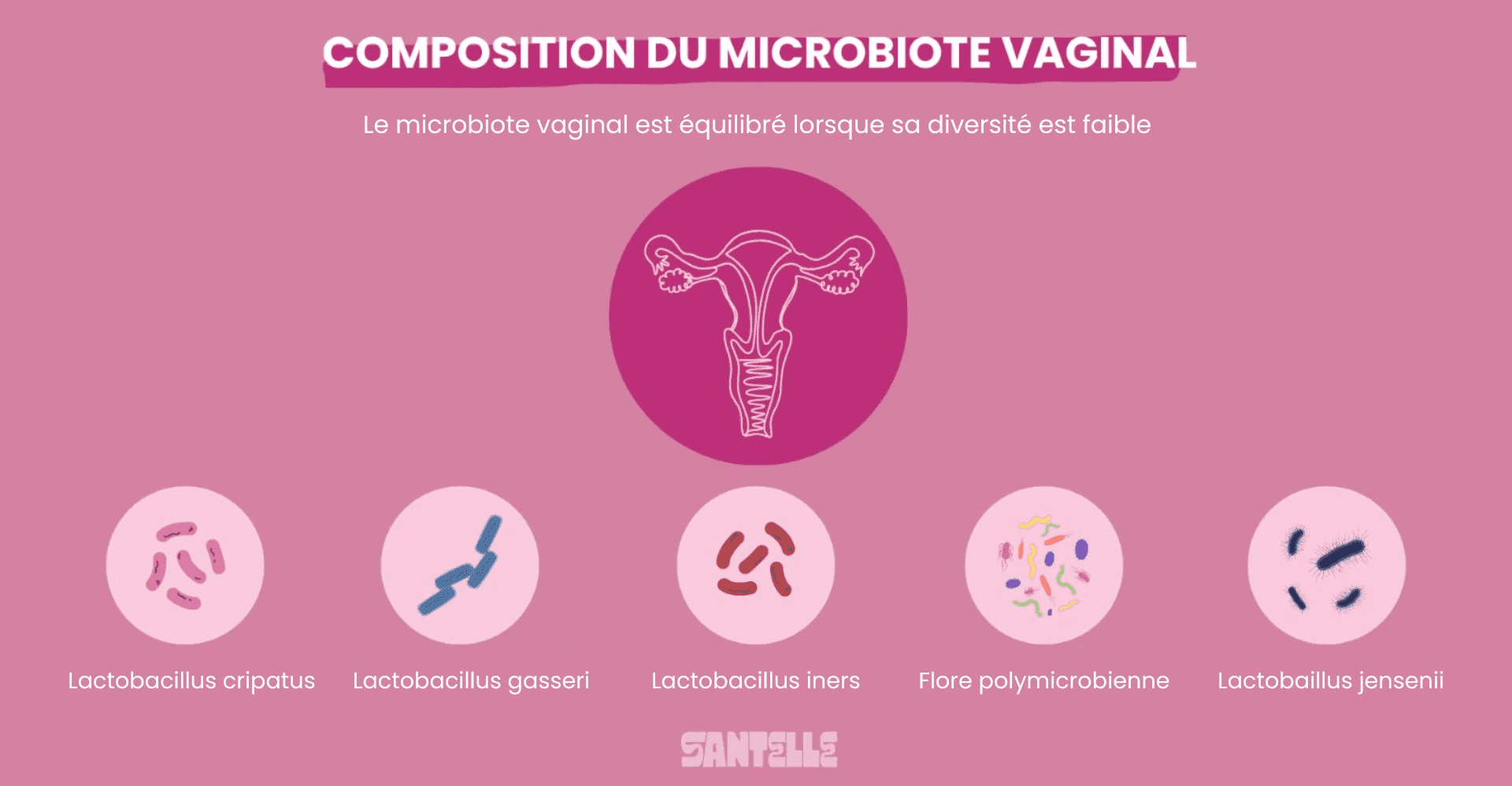
A vaginal yeast infection, also called vulvovaginal candidiasis, is a common intimate infection most often caused by a fungus naturally present in the vaginal flora: Candida albicans.
When the balance of the vaginal microbiome changes, this fungus can grow excessively and cause uncomfortable symptoms.
It is estimated that around 3 in 4 women will have at least one episode of vaginal yeast infection in their lifetime, and some may have several episodes.
Despite how common it is, it is not always easy to recognise, because its signs can resemble those of other vaginal infections.
What are the common symptoms of a vaginal yeast infection?
Several vaginal infections have similar symptoms. The same sign can correspond to different causes.
The most commonly observed signs are:
Intimate itching, sometimes intense
A burning or irritated feeling
Redness of the vulva
Thick, white or lumpy vaginal discharge
Discomfort during sex
Discomfort when urinating in some cases
These symptoms can vary from one woman to another: some feel mild discomfort, others a more pronounced problem.
Vaginal yeast infection test: how do you know it really is a yeast infection?
Itching or unusual discharge does not automatically mean a yeast infection.
Other intimate problems, such as bacterial vaginosis, local irritation or an imbalance of the vaginal microbiome, can cause similar symptoms.
A vaginal yeast infection test aims to help identify where the intimate discomfort comes from by analysing certain markers, such as vaginal pH, the presence of yeasts or signs consistent with a vaginal infection.
Depending on the type of test chosen, the results can point towards a yeast infection, rule out certain causes, or indicate the need for further medical advice.
What types of yeast infection test exist?
There are several ways to check whether symptoms might correspond to a vaginal yeast infection.
They differ in their method of analysis, their speed and their level of precision.
1. At-home vaginal test
At-home tests give a quick first indication with no medical appointment. Depending on the model, they analyse vaginal pH or combine several indicators linked to intimate balance.
They can be useful for:
Better understanding recent symptoms
Distinguishing a probable yeast infection from another vaginal imbalance
Knowing whether to seek advice quickly
Some recent solutions, such as the Santelle vaginal test, offer an approach that is simple to use at home to monitor recurring vaginal infections and better understand variations in the vaginal flora.
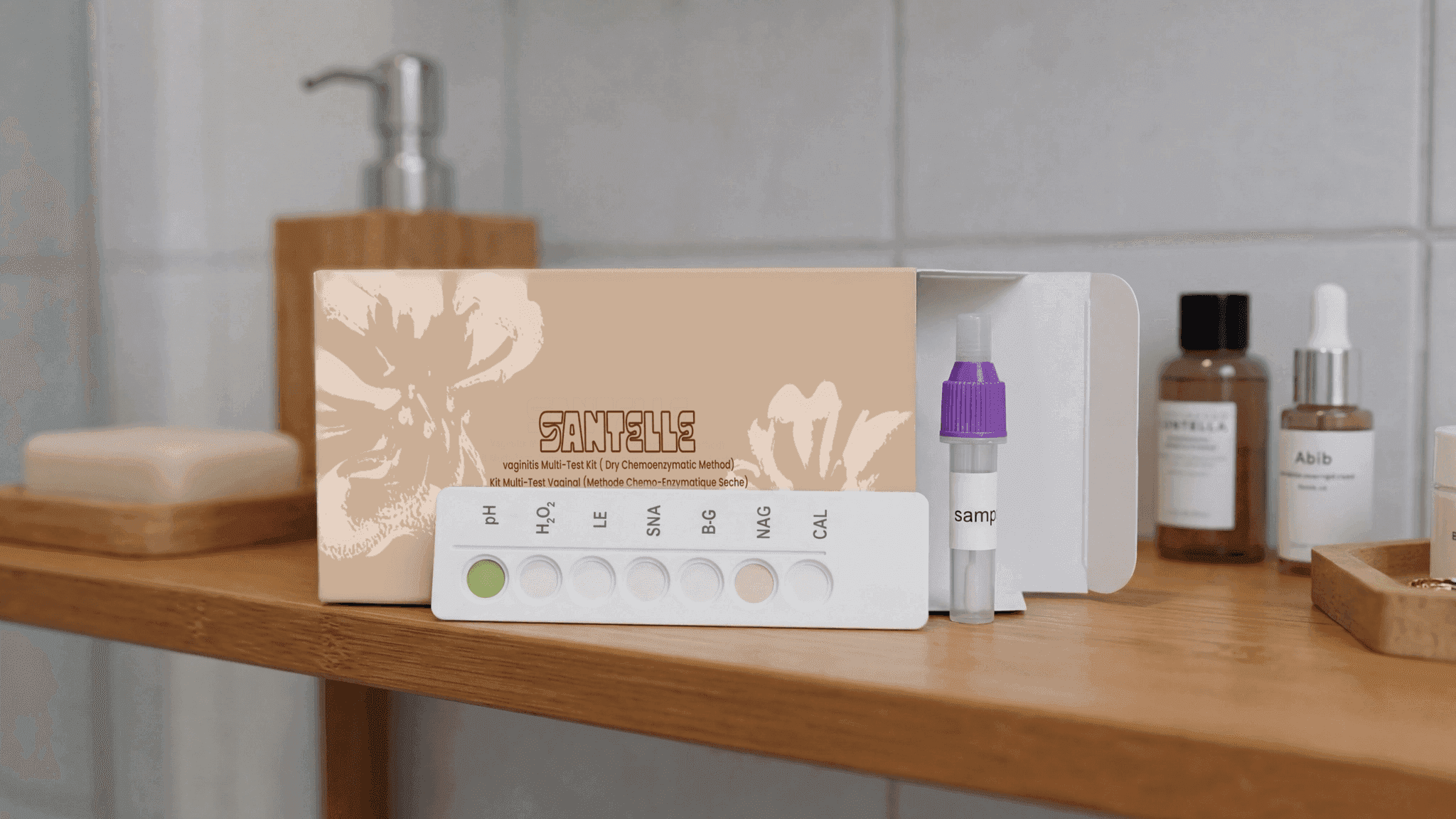
Besides Santelle, which is a Swiss brand, several tests are available in French pharmacies, such as HydralinTest.
Other international brands also exist, notably Canestest, known for their intimate indication tests based on vaginal pH.
The best choice often depends on your situation: needing a quick answer, recurring symptoms, wanting a fuller test, or a simple one-off check.
2. Yeast infection test from the pharmacy
Available without a prescription in many pharmacies, these tests generally look for a change in vaginal pH.
This is an important point, because a vaginal yeast infection often keeps a normal pH, whereas bacterial vaginosis more frequently comes with a raised pH.
Worth knowing: a test based only on pH can therefore help point you in a direction, but does not always confirm with certainty that Candida is present.
3. Laboratory analysis
Carried out after a vaginal swab by a health professional, laboratory analysis remains the most complete method when symptoms persist, recur or are atypical.
It can:
Identify the presence of yeasts such as Candida albicans
Look for an associated bacterial infection
Rule out other gynaecological causes
Adapt the treatment if episodes are repeated
It is often the preferred option with frequent yeast infections or diagnostic doubt.

How do you use a vaginal yeast infection test correctly?
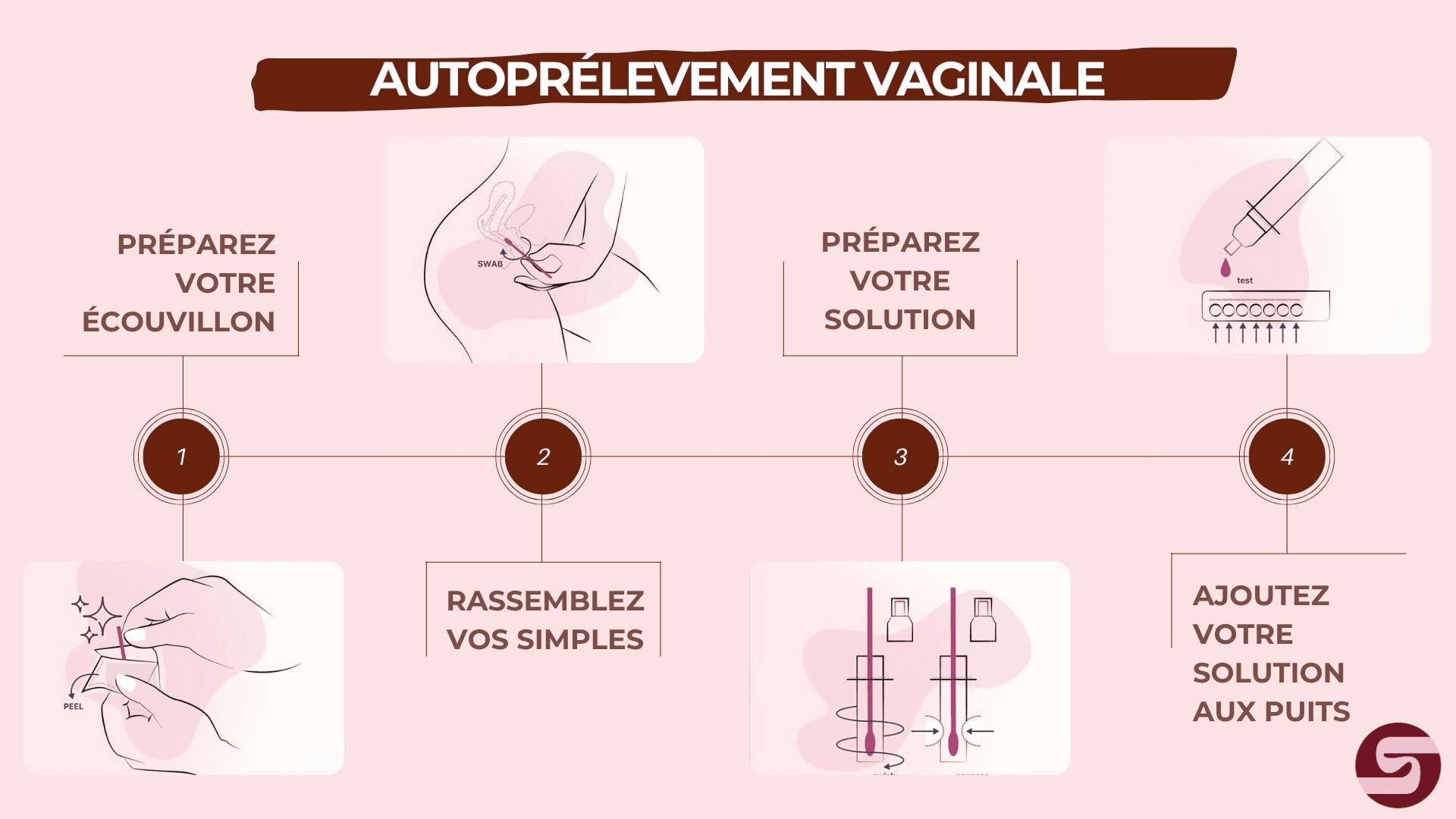
Even though every test has its own instructions, most vaginal tests generally work along the same lines:
Wash your hands before handling anything
Take the vaginal sample with the swab or applicator provided
Place the sample on the test area or insert the device provided
Wait for the time stated by the manufacturer
Compare the colour obtained or read the result displayed
To ensure a reliable result, it is better to avoid testing during your period or just after using vaginal treatments, unless stated otherwise.
Yeast infection test positive or negative: what to do after the result?
Once the yeast infection test is done, the result should always be interpreted alongside the symptoms you feel, their intensity and their duration.
A test gives a useful indication, but it does not replace a complete medical diagnosis.
If the yeast infection test is positive:
A positive result can point towards a vaginal yeast infection, most often linked to an excess of Candida albicans.
Treatment generally rests on an antifungal treatment, available depending on the case as a vaginal pessary, a local cream or an oral treatment prescribed if necessary.
It is advisable to follow the stated length of treatment, even if symptoms ease quickly.
If the yeast infection test is negative
A negative result means the intimate discomfort may have another origin. Common causes include:
bacterial vaginosis
irritation linked to an intimate product
vaginal dryness
an allergic reaction
a urinary infection or another gynaecological problem
In that case, avoiding unnecessary antifungal self-medication prevents making the irritation worse or delaying the right care.
In every case, it is important not to stop at a quick interpretation and to place the result in a wider context, in order to limit diagnostic mistakes and adapt care.
How do you choose a reliable vaginal test and use it properly?
To get a useful result, the quality of the test chosen and the conditions of use matter just as much as the test itself.
In a consultation, the main advice would be simple: choose a serious device, suited to your symptoms, then follow the instructions carefully.
A vaginal test can be a valuable help, provided it is used at the right time and in the right conditions.
What to check before buying a vaginal test
Before choosing a yeast infection test or a vaginal test, it is advisable to check:
How clear the instructions provided are
The time needed to get an answer
The product's expiry date
The type of analysis offered: vaginal pH, intimate balance, multiple indicators
A test that is simple to use also reduces the risk of error when taking the sample or reading the result.
Frequently asked questions
Which test tells you whether you have a yeast infection?
The most reliable test for confirming a vaginal yeast infection remains a medical examination. The doctor generally performs a gynaecological examination to observe the symptoms and assess the state of the vaginal mucous membrane. At-home vaginal tests can help point towards a diagnosis, but they do not replace medical analysis where doubt persists or symptoms are atypical.
How do I know whether or not I have a yeast infection?
A vaginal yeast infection generally shows up as significant itching, redness of the vulva, thick white discharge resembling cottage cheese, and a burning or irritated feeling. Other infections can produce different symptoms: thin, smelly discharge points more towards bacterial vaginosis, while irritation with no discharge may be linked to an allergy or irritation.
How can you be sure it is a vulval yeast infection?
A vulvovaginal yeast infection is generally suspected when the symptoms are typical: itching, thick white discharge and local irritation. However, these signs are not always enough to confirm the diagnosis, because several vaginal infections can look alike. To be sure, a doctor can carry out a clinical examination or a vaginal swab with microbiological analysis. This identifies precisely whether Candida is present and rules out other causes such as bacterial vaginosis or irritation.
What is the best at-home test for detecting candidiasis?
Santelle at-home tests can give a first indication where a vaginal yeast infection is suspected, in particular by analysing vaginal pH and certain biomarkers of intimate balance. Some more advanced solutions combine several laboratory analyses to better understand the vaginal flora and detect more complex imbalances. Where doubt persists, however, medical diagnosis remains the reference for confirming candidiasis and proposing a suitable treatment.
Written by
Zineb Sadki
Editorial writing, Santelle
Zineb writes and edits the Santelle blog, on intimate health and the vaginal microbiome.