

Yeast infections
Choose the Right Yeast Infection Treatment for Your Situation

Zineb Sadki
Editorial writing, Santelle
Not all yeast infection treatments are created equal. The best option, whether that's an OTC suppository, an antifungal cream, or prescription fluconazole, depends on factors most guides skip over: Is this your first infection or your fifth this year? Are you pregnant? Do you have diabetes? Are you still dealing with symptoms after trying Monistat?
This guide walks you through every treatment option, flags the natural remedies that are more hype than help, and tells you exactly when it's time to stop self-treating and call your doctor.
How does a vaginal yeast infection start?
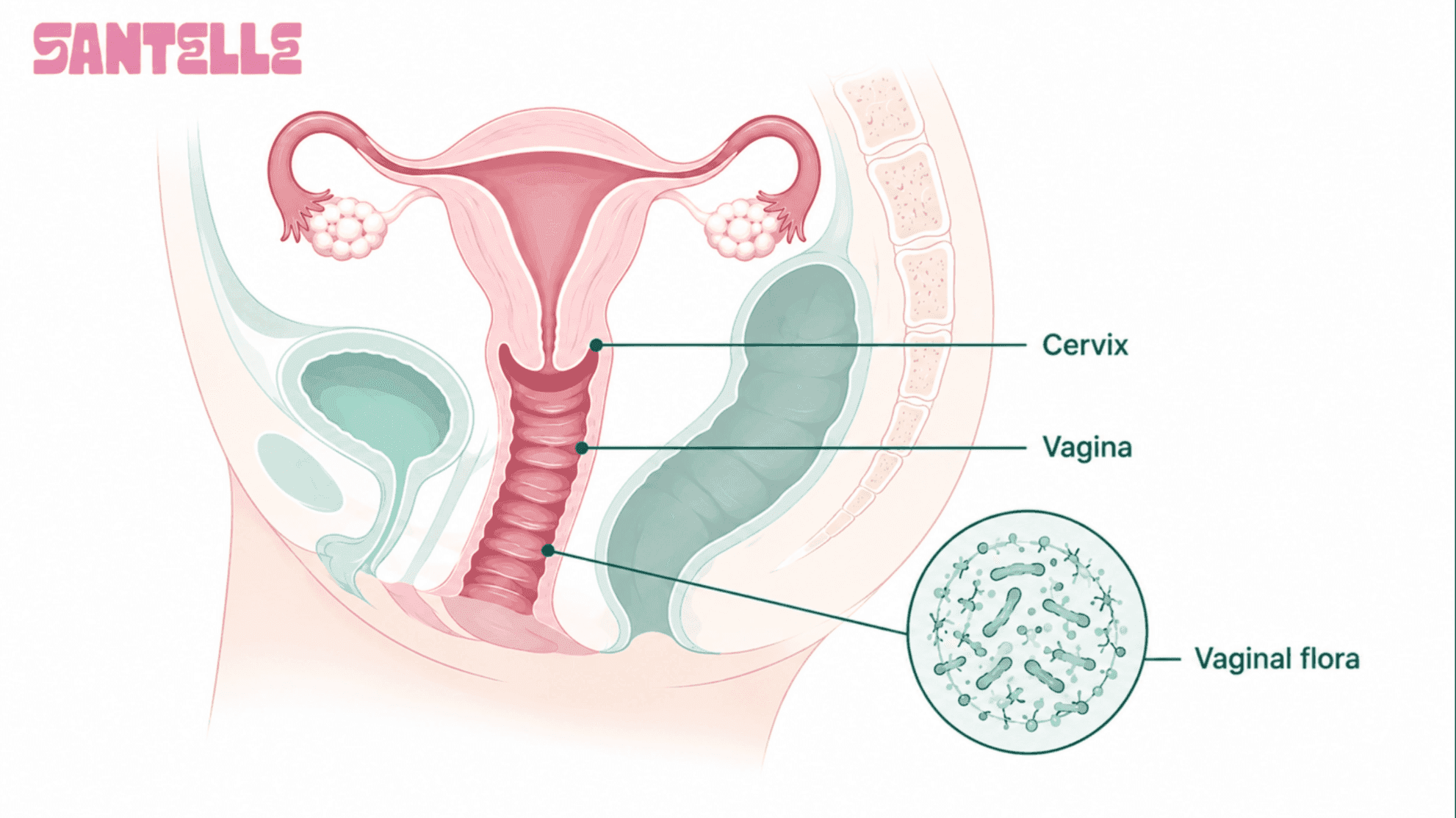
A vaginal yeast infection, clinically called vulvovaginal candidiasis, is an overgrowth of Candida fungus in the vagina and vulva.
It's one of the most common vaginal infections, affecting up to 75% of women at least once in their lifetime, and accounting for roughly half of all infectious vaginitis cases.
Here's the thing: Candida is already present in your vagina in small amounts.
Under normal circumstances, it's kept in check by Lactobacillus bacteria, which maintain a healthy vaginal pH.
A yeast infection happens when that balance gets disrupted and the fungus starts to overgrow.
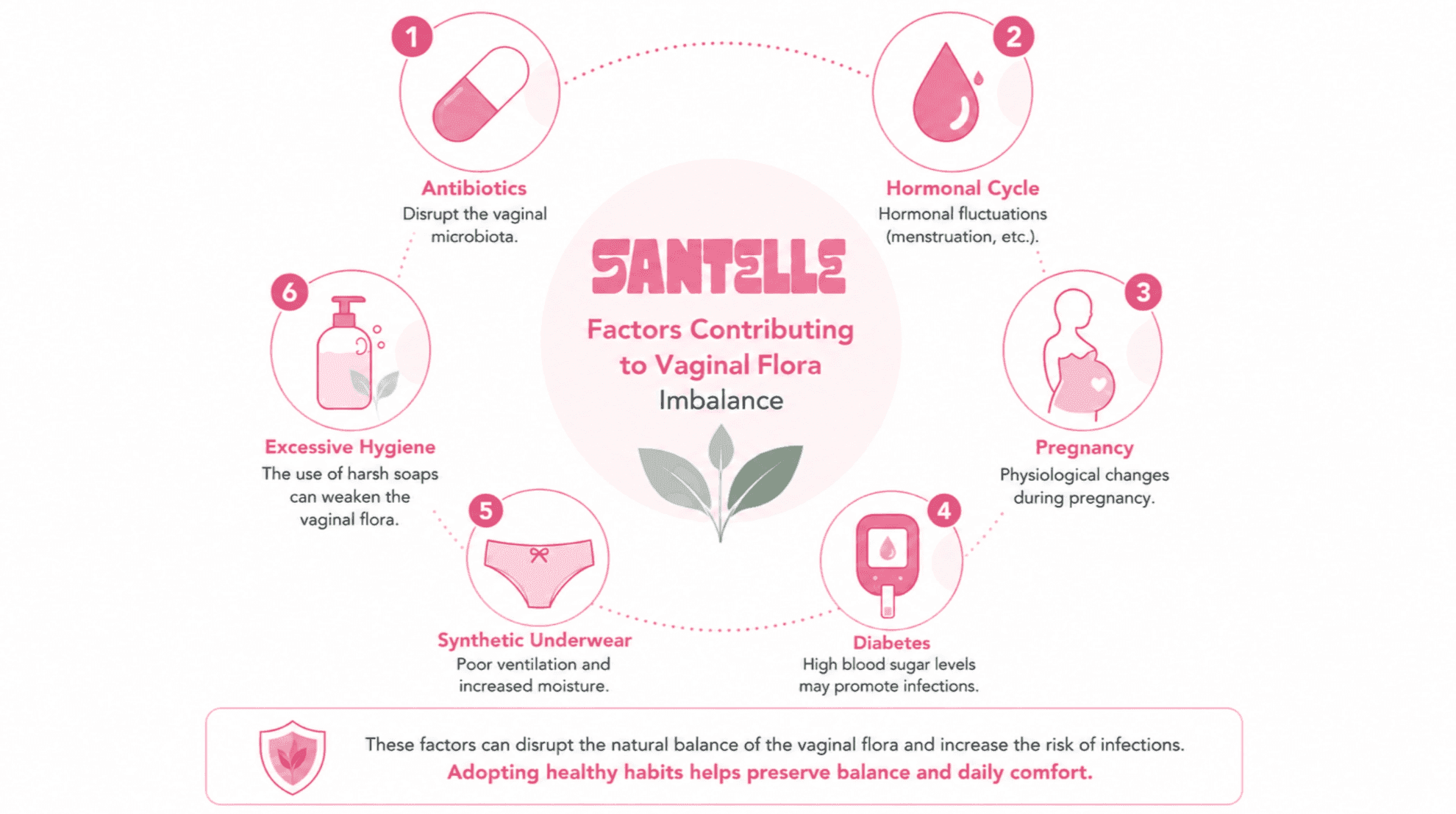
Common triggers include:
Antibiotic use (antibiotics kill off the protective bacteria that keep Candida in check)
Over-washing or using scented soaps and intimate sprays
Tight, synthetic underwear
Pregnancy
Diabetes or blood sugar fluctuations
Medications that suppress the immune system
One thing worth knowing: excessive intimate hygiene, including vaginal douching, can actually increase your risk of a yeast infection by stripping away the protective bacteria your vagina needs.
Classic symptoms include intense vulvar itching and burning, along with thick, white, odorless discharge that looks like cottage cheese.
That texture is the main thing that sets a yeast infection apart from bacterial vaginosis or an STI, which typically cause thin, watery, or foul-smelling discharge.
Yeast infection treatments
Treatment involves antifungal medications, which are available as topical treatments (vaginal suppositories, creams) or oral medications (tablets).
The right choice depends on the severity of your symptoms, how often you have episodes, and your personal situation. Here’s what you need to know about each option.
OTC antifungal inserts
Vaginal suppositories, also called inserts, are the most commonly used first-line treatment for yeast infections, and you can get them without a prescription at any drugstore.
They work locally inside the vagina, and most women insert them at bedtime so the medication stays in place. Your main options:
1-day treatment (Monistat 1): A single high-concentration insert. Convenient, but some women find the higher dose causes more irritation.
3-day treatment (Monistat 3): The most popular middle-ground option.
7-day treatment (Monistat 7): Lower concentration per dose, best for more severe symptoms or sensitive skin.
Don't expect instant results. It usually takes 24 to 48 hours before you start feeling better, and full symptom relief can take a few days.
If you're still symptomatic after completing the full course, that's a sign you need to see a doctor, it may not be a yeast infection, or it may be a strain that doesn't respond to standard OTC treatment.
One important heads-up: antifungal suppositories can degrade latex, which means they reduce the effectiveness of condoms and diaphragms.
Use a backup method or avoid intercourse until treatment is complete.
OTC antifungal creams
If your symptoms include significant redness, swelling, or itching on the outside, the vulva, an external antifungal cream can help alongside a suppository. Look for creams containing clotrimazole, miconazole, or tioconazole.
These are applied to the vulvar skin, not inserted vaginally.
Your pharmacist can point you toward the right combo and help you figure out the right treatment length for what you're experiencing.
Oral Fluconazole: The prescription pill
If suppositories aren't working or you'd rather take a pill, fluconazole (brand name Diflucan) is the go-to oral antifungal, but you'll need a prescription.
A single 150 mg dose clears most uncomplicated yeast infections. It's straightforward and effective, but it comes with one major restriction: fluconazole is not safe during pregnancy.
Multiple studies have linked it to an increased risk of miscarriage, so it's off the table if you're pregnant or trying to conceive.
Women on longer fluconazole courses should use reliable contraception throughout.
Natural yeast infection remedies
Many women are looking for a natural alternative, or want to supplement their treatment with something else. Some approaches have real, albeit limited, benefits.
Others are misguided ideas that can make things worse.
Tea tree oil
Tea tree oil has real antifungal properties, in lab settings.
Whether that translates to meaningful clinical benefit for vaginal yeast infections is still unclear. The evidence is thin, and it's not a substitute for proven antifungal medication.
If you use it anyway: keep it external only, always diluted in a carrier oil, and never apply it directly to the vaginal lining.
It's off-limits during early pregnancy, while breastfeeding, and if you have asthma or skin sensitivities

Probiotics: Worth It for prevention, not cure
Probiotic supplements containing Lactobacillus strains are often recommended to help restore vaginal flora, especially after antibiotics.
The research on whether they actually prevent recurrent yeast infections isn't conclusive yet, but there's enough logic behind the mechanism that many doctors consider them a reasonable addition to a prevention strategy. They're not a treatment for an active infection.
Popular "remedies" that can hurt more than help
Some remedies circulating on forums may seem logical, but they aren’t always:
A clove of garlic inserted into the vagina: no reliable clinical evidence; risk of burning the mucous membranes.
Vaginal douches, whether with water, vinegar, or baking soda: Ameli.fr explicitly identifies them as an aggravating factor, as they damage the protective flora rather than restoring it.
Topical application of yogurt: a widespread practice, but not scientifically validated.
Pure, undiluted essential oils: risk of chemical burns to the mucous membranes.
Recurring vaginal yeast infections
If you're getting four or more yeast infections a year, you have what's called recurrent vulvovaginal candidiasis (RVVC), and OTC treatment alone isn't the answer.
You're treating each episode without addressing why they keep happening.
A doctor visit is essential. They'll look for underlying contributors like uncontrolled blood sugar, immune system issues, or a Candida strain that's resistant to standard treatments like fluconazole.
Long-term treatment options for recurrent yeast infectionds
Under medical supervision, a few approaches can help break the cycle:
Weekly fluconazole maintenance therapy for 6 months — this is a well-documented protocol for reducing recurrence frequency, though infections can return after stopping
Prophylactic suppository use at specific points in your cycle, such as right before or after your period
Achieving lasting remission isn't always straightforward, which is exactly why recurrent infections need ongoing medical management rather than repeated self-treatment.
Should a partner be treated for a vaginal yeast infection?
Not automatically. Treating an asymptomatic partner hasn't been shown to reduce your risk of getting another infection, and a yeast infection isn't classified as an STI.
That said: hold off on intercourse, or use a condom, until you've completed treatment. If your partner develops symptoms like redness or itching, they should see a doctor on their own.
Yeast infections during pregnancy, breastfeeding or with diabetes
These situations change everything. Your options are more limited, and the stakes are higher.
Pregnancy: Don't self-treat. See a doctor the same day symptoms appear. Vaginal infections during pregnancy can affect the baby and raise the risk of preterm labor. Only topical antifungal treatments are generally considered safe — oral fluconazole is off the table.
Breastfeeding: Any antifungal treatment, topical or oral, needs to be cleared by your doctor first.
Diabetes: Women with diabetes are strongly advised not to self-treat yeast infections. High blood sugar fuels Candida overgrowth, and managing the infection properly requires also addressing blood sugar control.
How to prevent yeast infections
A yeast infection isn't a hygiene failure — if anything, too much hygiene is a more common culprit. Here's what actually helps:
Wash externally only, twice a day, with a mild, fragrance-free soap. The vagina is self-cleaning — you don't need to wash inside it.
Never douche. Full stop.
Wear cotton underwear. Synthetic fabrics trap heat and moisture, which Candida loves.
Avoid tight pants and leggings worn for extended periods, especially during workouts.
Dry off thoroughly after showering, swimming, or working out.
Change out of a wet swimsuit quickly instead of staying in it for hours.
Change tampons and pads regularly throughout your cycle.
Skip scented feminine products — sprays, wipes, scented pads, flavored lubes.
Manage your blood sugar if you have diabetes, in partnership with your doctor.
Talk to your doctor before taking antibiotics if you have a history of yeast infections — a prophylactic antifungal pill taken at the same time can sometimes head one off.
When to go see a Doctor?
Make an appointment within the next few days if:
This is your first time having a yeast infection
Your discharge has an odor, or is yellow, green, or gray — these point toward a different type of infection
Symptoms don't improve after completing a full OTC treatment course
You're getting yeast infections four or more times a year
You have diabetes or another chronic health condition
Go to urgent care or call your OB the same day if:
You're pregnant or think you might be
You have pelvic pain or pain when urinating alongside vaginal symptoms
Self-treatment is appropriate only if you've previously had a confirmed yeast infection, your current symptoms clearly match what you've experienced before, and you're not pregnant, diabetic, or immunocompromised.
Yeast Infection FAQ
How long does a yeast infection last with treatment?
With the right antifungal treatment — suppository, cream, or pill — most women feel noticeably better within 24 to 48 hours. Complete symptom clearance typically takes 1 to 2 weeks.
If you're still symptomatic after finishing treatment, see a doctor. It could be a different type of infection, or a Candida strain that requires a different medication.
Can you have sex with a yeast infection?
It's best to avoid intercourse until you've finished treatment and your symptoms are fully gone.
The infection can be passed to your partner, and antifungal suppositories weaken latex condoms and diaphragms — meaning your birth control may be less effective while you're using them.
Is a yeast infection an STI?
No. Candida is not a sexually transmitted pathogen. That said, certain aspects of sexual activity — friction, exposure to a new partner's microbiome, lubricant ingredients — can shift your vaginal pH and potentially trigger an overgrowth.
Getting a yeast infection says nothing about your sexual history or risk behavior.
Do I need to see a doctor for my first yeast infection?
Yes. The first time you experience symptoms, get it confirmed by a healthcare provider. Bacterial vaginosis and some STIs can cause similar symptoms, and treating yourself for a yeast infection when you actually have something else delays the care you actually need.
Once you've had a confirmed yeast infection and know exactly what it feels like, recognizing future episodes on your own is much more reliable.
Is OTC yeast infection treatment always safe to use?
Not for everyone. OTC self-treatment is a reasonable option only if you've already had a doctor-confirmed yeast infection, you recognize the symptoms clearly, and you're not pregnant, diabetic, or immunocompromised.
If any of those conditions apply — or if this is your first episode, symptoms seem off, or you're getting them frequently — see a doctor before reaching for Monistat.
Frequently asked questions
How long does a treated vaginal yeast infection last?
With a suitable antifungal treatment (pessary, cream or tablet), improvement is generally felt within 24 to 48 hours. Complete recovery, with all symptoms gone, most often occurs within 1 to 2 weeks. If symptoms persist beyond that or intensify, a medical consultation is needed to check the diagnosis or adjust the treatment.
Can you have sex during treatment?
It is recommended to abstain from sex or to use a condom throughout the treatment. Partly to avoid passing the fungus to your partner, and partly because antifungal pessaries can weaken the latex of condoms and diaphragms, reducing their contraceptive effectiveness.
Is a vaginal yeast infection a sexually transmitted infection?
No. Candida albicans is not among the classic STI agents. Some factors linked to sexual activity can, however, encourage an imbalance of the vaginal flora: friction, exposure to new micro-organisms, the use of lubricants. A yeast infection therefore does not imply risky behaviour.
Should you see a doctor from the first episode?
Yes, always. On a first episode it is important to confirm the diagnosis and rule out other causes of vaginitis (bacterial infection, STI) whose symptoms can look similar. Self-medicating without a confirmed diagnosis can delay treatment of a different, possibly more serious infection.
Is self-medication always possible?
No. Self-medication is only appropriate if you have already had a yeast infection confirmed by a doctor, you clearly recognise the typical symptoms, and you are not pregnant, diabetic or immunosuppressed. In every other case, a first episode, atypical symptoms, frequent recurrences or pregnancy, a consultation is essential before any treatment.
Written by
Zineb Sadki
Editorial writing, Santelle
Zineb writes and edits the Santelle blog, on intimate health and the vaginal microbiome.