

Vaginal Yeast Infection Tests: Everything You Need to Know
Vaginal Yeast Infection Tests: Everything You Need to Know
Vaginal Yeast Infection Tests: Everything You Need to Know
Yeast infection or bacterial vaginosis? Learn how to take a vaginal yeast infection test at home, which self-tests to use, and how to correctly interpret your results.
Yeast infection or bacterial vaginosis? Learn how to take a vaginal yeast infection test at home, which self-tests to use, and how to correctly interpret your results.
Zineb Sadki
Intense itching, unusual white discharge, burning sensations... These symptoms affect most women at least once in their lifetime.
However, they do not always indicate a yeast infection. Bacterial vaginosis can cause very similar symptoms, and the two conditions require completely different treatments.
This is where at-home vaginal screening tests come in.
In just a few minutes, they can help you identify the most likely cause of your symptoms from the comfort of your home, making it easier to choose the right treatment.
What is a vaginal yeast infection?
A vaginal yeast infection, also known as vulvovaginal candidiasis, is a fungal infection caused by a microscopic yeast called Candida albicans.
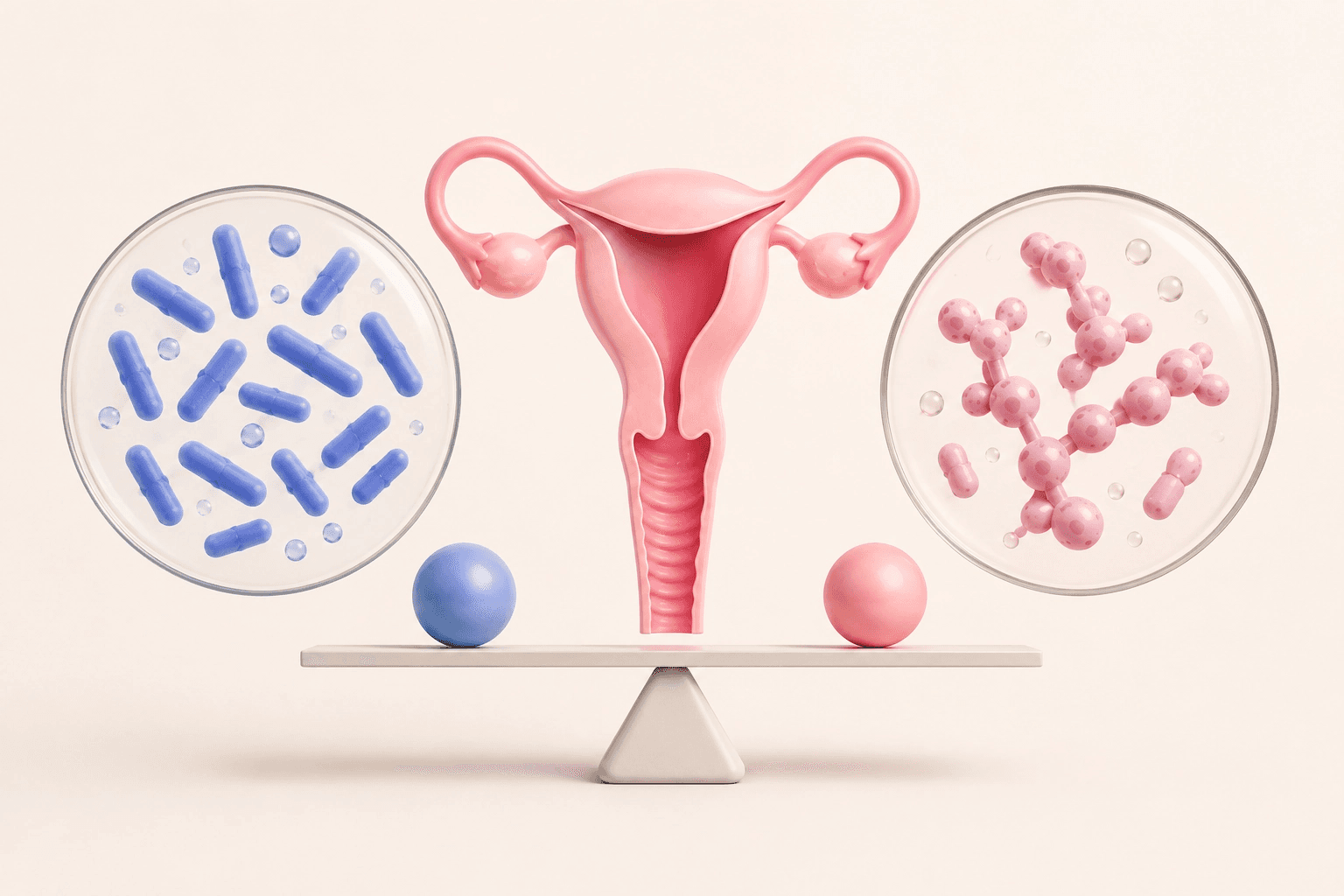
This yeast is actually a natural part of the vaginal microbiome. Under normal conditions, it coexists harmlessly with other microorganisms, especially lactobacilli, which help maintain a slightly acidic vaginal environment.
Problems arise when this natural balance is disrupted. When that happens, Candida can multiply excessively, leading to the symptoms associated with a yeast infection.
In other words, a vaginal yeast infection is not caused by an outside germ invading the body. Instead, it occurs when the natural balance of your own vaginal flora is thrown off.
Causes and risk factors of a yeast infection
Several factors can disrupt the natural balance of the vaginal microbiome and increase the risk of developing a yeast infection:
Antibiotic use: Antibiotics can eliminate beneficial bacteria, allowing yeast to grow unchecked.
Hormonal changes: Pregnancy, menopause, and hormonal birth control can affect the vaginal environment.
Poorly controlled diabetes: Elevated blood sugar levels can promote the growth of Candida.
Weakened immune system: Conditions or treatments that suppress the immune system, including HIV and immunosuppressive medications.
Improper intimate hygiene: Harsh cleansing products and frequent vaginal douching can disrupt the vaginal flora.
Tight synthetic underwear: These fabrics can create a warm, moist environment that encourages fungal growth.
Chronic stress and fatigue
Good to know: A vaginal yeast infection is not considered a sexually transmitted infection (STI). However, sexual activity can sometimes contribute to its development, and the infection may occasionally be passed between partners.
Symptoms of a vaginal yeast infection: How to recognize them
The symptoms of a vaginal yeast infection are usually quite distinctive and may include:
Intense vulvar itching and irritation, sometimes severe enough to interfere with daily activities
Thick white vaginal discharge with a clumpy, cottage cheese-like appearance
Burning sensations, especially during urination or sexual intercourse
Redness and swelling of the vulva
Little to no odor, or a mild yeast-like smell (unlike bacterial vaginosis, which is often associated with a noticeable fishy odor)
These symptoms often become more noticeable in the days leading up to menstruation, when hormonal fluctuations are typically at their highest.
What is the difference between a yeast infection and a bacterial vaginosis?
This is a common question, and for good reason. While both conditions affect the vagina, they have different causes and require completely different treatments.
Characteristic | Vaginal Yeast Infection | Bacterial Vaginosis |
|---|---|---|
Cause | Candida albicans (yeast/fungus) | Gardnerella vaginalis (bacteria) |
Vaginal pH | Normal or slightly elevated (< 4.7) | Elevated (> 4.7) |
Discharge | Thick, white, and clumpy (cottage cheese-like) | Thin, gray or yellowish, and uniform |
Odor | Little to no odor, or mildly yeast-like | Strong, characteristic fishy odor |
Itching | Intense | Mild or absent |
Treatment | Antifungal medication (suppositories, creams) | Antibiotics (such as metronidazole) |
Because the symptoms can overlap, it's easy to confuse the two conditions. However, treating bacterial vaginosis with an antifungal medication—or a yeast infection with antibiotics—will not resolve the problem.
That's exactly where an at-home vaginal screening test can make a real difference.
Why take a vaginal yeast infection at home?
Using an at-home vaginal self-test offers several practical benefits:
Get quick answers without having to wait for a doctor's appointment.
Avoid using the wrong treatment by distinguishing between a yeast infection and bacterial vaginosis.
Monitor recurring infections, especially if you experience frequent yeast infections (more than four episodes per year).
Take action sooner—untreated yeast infections can worsen and may become more difficult to manage over time.
Protect your vaginal microbiome by using antifungal treatments only when they are truly needed.
Important: An at-home test is not a substitute for professional medical advice. You should consult a healthcare provider if you are unsure about your symptoms, experience unusual symptoms, are pregnant, or have frequent recurrent infections.
What types of at-home yeast infection tests are available?
There are two main types of over-the-counter vaginal self-tests available:
Vaginal pH tests: Available as test strips or swab-based kits, these tests measure the acidity of the vaginal environment.
A normal vaginal pH (typically 3.8–4.5) combined with symptoms consistent with a yeast infection may suggest vulvovaginal candidiasis. A pH above 4.5 is more commonly associated with bacterial vaginosis or trichomoniasis.
Candida detection tests: These more specific tests are designed to detect the presence of Candida yeast directly in vaginal secretions, regardless of vaginal pH levels.
Both types of tests can help guide your next steps, but Candida detection tests generally provide a more direct indication of whether a yeast infection is present.
Most popular at-home yeast infection test
Product | Test Type | What It Detects | Approximate Price |
|---|---|---|---|
Santelle | 6-biomarker panel (multiparameter test) | Yeast infections, bacterial vaginosis, and other vaginal imbalances, with results delivered through a mobile app | ~€19 |
Hydralin Test | Vaginal pH test | Helps distinguish between a yeast infection and bacterial vaginosis | ~€8–10 |
Exacto Mycose (Biosynex) | Yeast detection test | Candida (yeast infection) | ~€12–15 |
Canestest (Bayer) | Vaginal pH test | Helps differentiate between yeast infections, bacterial vaginosis, and trichomoniasis | ~€8–12 |
Myleuca | pH test + symptom assessment | Vaginal yeast infection | ~€10–13 |
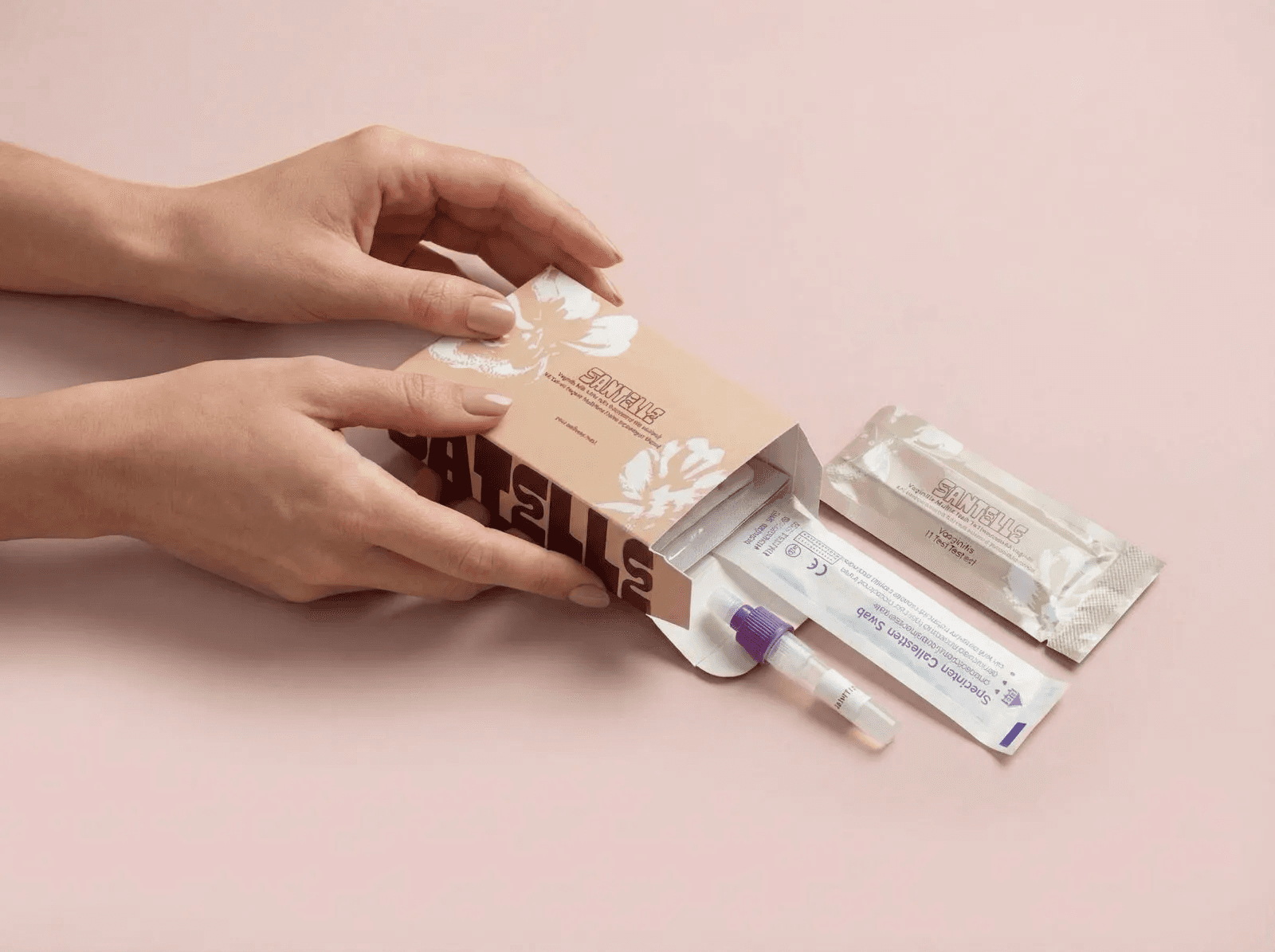
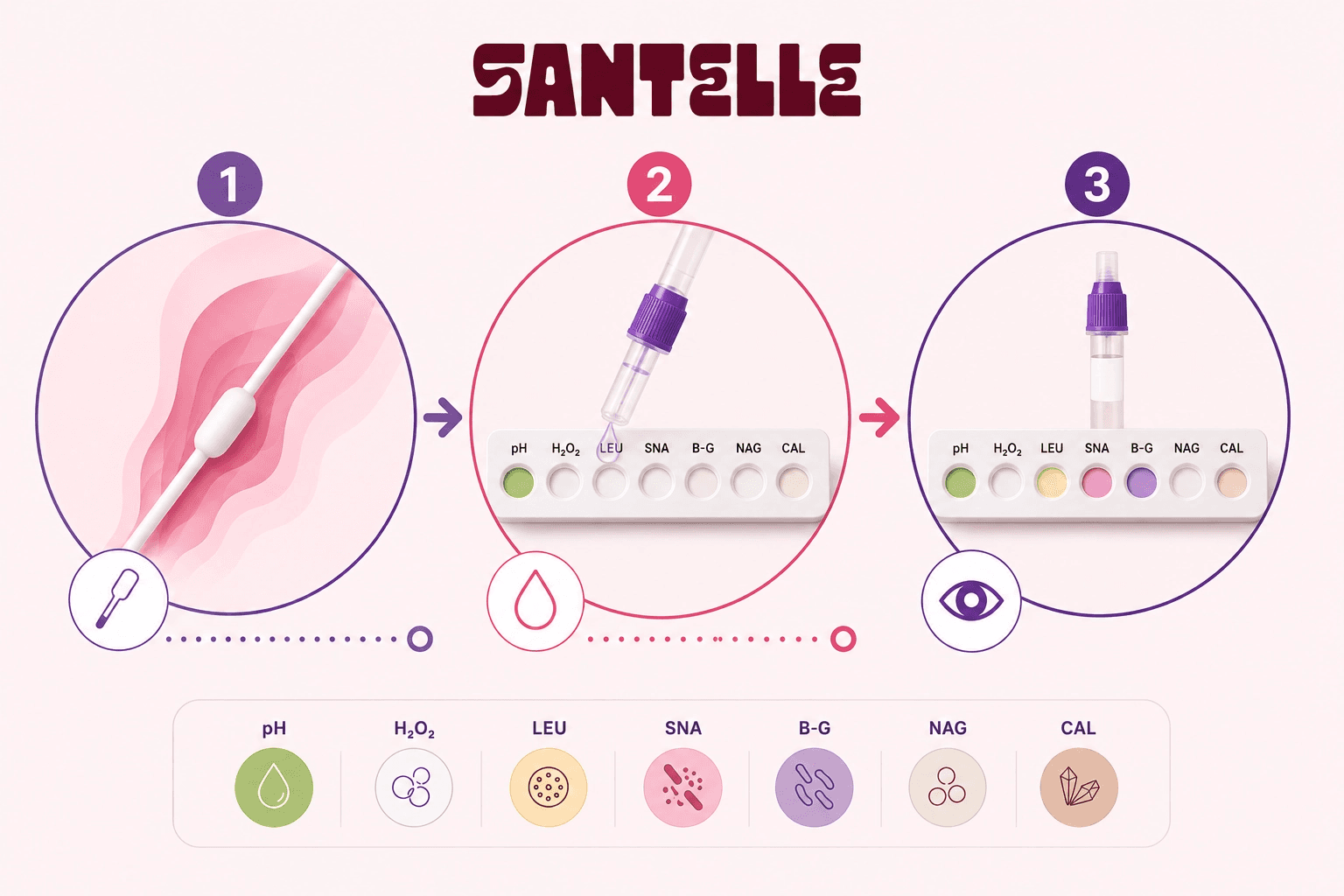
Santelle stands out from traditional self-tests thanks to its multiparameter technology. While most at-home tests measure only vaginal pH, Santelle analyzes six clinically validated biomarkers from a simple vaginal swab sample. The results are then interpreted through a companion mobile app, providing a broader assessment of vaginal health.
Hydralin Test is one of the best-known vaginal self-tests in France. Easy to use, it relies on pH measurement and provides results within seconds. However, it does not directly detect Candida and should be viewed as a screening tool rather than a definitive diagnostic test.
Exacto Mycose by Biosynex is a more targeted option because it looks for markers associated with Candida infections. It can be particularly useful for women who are familiar with their typical yeast infection symptoms and want confirmation before starting treatment.
Canestest is popular for its simplicity and convenience. It uses a single vaginal swab and an easy-to-read color-based result system to help determine whether symptoms are more likely caused by a yeast infection, bacterial vaginosis, or another vaginal imbalance.
If you're unsure whether your symptoms are caused by a yeast infection or bacterial vaginosis, a vaginal pH test is a good place to start.
For women who experience recurrent vaginal infections or are looking for a more comprehensive assessment, Santelle offers the most advanced over-the-counter option currently available.
By analyzing multiple biomarkers rather than relying solely on pH, it can provide a broader picture of vaginal health and help identify different types of vaginal imbalances more accurately
How does a vaginal test work?
Vaginal pH Tests
These tests rely on a color-changing chemical reaction. The test strip or swab changes color when it comes into contact with vaginal secretions, depending on the acidity (pH) of the vaginal environment.
The resulting color is then compared to a reference chart included with the kit.
Yellow or light green → Normal pH → More consistent with a yeast infection
Dark green or blue → Elevated pH → More consistent with bacterial vaginosis or trichomoniasis
Candida Detection Tests
These tests use specific antibodies that react to proteins associated with Candida albicans.
The process is similar to a home pregnancy test: one or more lines appear on the test device to indicate the result. Because they detect markers of Candida directly, these tests can provide more targeted information than pH-based screening tests.
Where can you buy an at-home yeast infection test?
At-home vaginal yeast infection tests are available without a prescription and can be purchased from several sources:
Pharmacies and drugstores: This is the most common option. A pharmacist can help you choose the test that best fits your symptoms and needs. Popular brands include Hydralin Test, Exacto, and Mycoscreen.
Online: You can order tests directly from the manufacturer's website, where you'll typically find detailed instructions, product information, and guidance on how to interpret your results. Brands such as Santelle are commonly available online.
How to use an at-home yeast infection test: Step-by-step
When used correctly, an at-home vaginal test can provide reliable results. A few simple precautions before testing can make all the difference. Here's how to prepare and perform the test step by step.
Before taking the test
Choose the right time
Avoid taking the test during your menstrual period. Menstrual blood can temporarily raise vaginal pH levels and may affect the accuracy of the results. It's best to wait until your period has ended before testing.
Wait at least 12 hours
Allow at least 12 hours after sexual intercourse, taking a bath, vaginal douching, or using intimate hygiene products before performing the test. These activities can temporarily alter the vaginal environment and influence the results.
Read the instructions carefully
Every test kit has its own specific instructions, including sample collection methods, result interpretation, and reading times. Take a few minutes to read the entire instruction leaflet before opening the kit.
Wash your hands thoroughly
Clean your hands before handling the test device to avoid contamination and ensure a clean, accurate sample collection.
During the test
Remove the swab, applicator, or test strip from its packaging.
Get into a comfortable position—standing with one leg raised, sitting on the toilet, or lying down—and gently insert the device into the vagina according to the manufacturer's instructions, typically about 1–2 inches (3–5 cm).
Leave the device in place for the amount of time specified in the instructions, usually 10 to 30 seconds.
Carefully remove the device.
After the test
Wait for the results to develop.
The waiting time depends on the type of test. A standard vaginal pH test typically provides results within 30 seconds to 1 minute.
More advanced tests that evaluate pH, yeast, and additional biomarkers at the same time (such as Santelle) may require up to 10 minutes for the reaction to be fully completed. Always follow the timing instructions included with your test kit.
Compare the color change or result lines with the reference chart provided in the package.
Record the result and the time it was read. Results interpreted after the recommended reading window may no longer be accurate.
Dispose of the used test device in the trash—do not flush it down the toilet.
Understand your yeast infection test results
Reading an at-home vaginal test is not always straightforward. A slightly different shade or a faint line can easily create uncertainty.
Here’s how to understand each possible outcome and what steps to take next.
Result Suggesting a Yeast Infection
A normal pH level and/or the detection of yeast (Candida) may indicate a yeast infection. If you also experience itching, burning, or thick white, clumpy discharge, this is consistent with vulvovaginal candidiasis.
In this case, you may consider an over-the-counter antifungal treatment (such as vaginal suppositories and cream).
Result Suggesting Bacterial Vaginosis
An elevated pH level is more indicative of bacterial vaginosis, a condition caused by an imbalance in the vaginal microbiome rather than a fungal infection.
In this situation, antifungal treatments will not be effective and may even worsen the imbalance. It is recommended to consult a doctor or gynecologist, as treatment typically involves prescription antibiotics, often in the form of a vaginal gel.
Negative Result but Persistent Symptoms
A negative result does not completely rule out an infection. At-home yeast detection tests are not 100% accurate, and other conditions (such as irritation, allergies, or trichomoniasis) can cause similar symptoms.
If symptoms do not improve within 48 hours, it is important to seek medical advice. A vaginal swab performed by a healthcare professional can provide a more accurate diagnosis.
Unclear or Ambiguous Result
A borderline color change, a faint line, or poor lighting can make interpretation difficult.
Do not try to interpret an unclear result. Instead, repeat the test using a new kit and carefully follow the instructions, especially regarding timing and reading conditions.
If uncertainty remains, using the brand’s companion app (if available) or consulting a healthcare professional is the safest option—an ambiguous result should never lead to self-treatment without confirmation.
What to do after a positive yeast infection test result
Over-the-Counter Treatment Options
If a yeast infection is confirmed, several topical treatments are available over the counter at pharmacies:
Antifungal vaginal suppositories (ovules) such as clotrimazole, miconazole, or econazole: local treatments typically used over 1, 3, or 6 days, depending on the product.
Antifungal creams to relieve external symptoms such as itching, irritation, and redness.
Gentle intimate washes with an acidic pH to support treatment without disrupting the vaginal flora.
Commonly used products include Gynopévaryl, Monazol, Gyno-Pevaryl LP, and Polygynax.
When to see a doctor
If this is your first suspected yeast infection, it is always recommended to consult a healthcare professional. Symptoms can resemble other infections (such as bacterial vaginosis or trichomoniasis), and incorrect treatment may worsen the condition.
You should also seek medical advice if you have started treatment but notice no improvement after 72 hours, as this may indicate a different underlying issue.
A medical consultation is strongly recommended in the following cases:
First episode: to confirm the diagnosis and establish an appropriate treatment plan
No improvement after 72 hours of treatment
Frequent recurrences (more than 4 episodes per year), which may require further investigation
Pregnancy: self-treatment should be avoided without medical supervision
Unusual symptoms: fever, pelvic pain, or foul-smelling discharge
How to prevent recurring yeast infections
Many women experience more than one yeast infection during their lifetime.
While antifungal treatment is the primary way to resolve an active infection, certain everyday habits may help reduce the risk of recurrence. The scientific evidence behind these recommendations is limited, but they are widely suggested by healthcare professionals and are generally safe.
Wear loose-fitting cotton underwear: heat and moisture can encourage Candida overgrowth.
Avoid vaginal douching and scented products, as they can disrupt the natural balance of the vaginal microbiome.
Dry the intimate area thoroughly after bathing or exercise.
If you have risk factors (such as diabetes or a high-sugar diet), reducing refined sugar intake may help support a healthier vaginal environment.
During a course of antibiotics, consider discussing probiotics (lactobacilli) with a healthcare provider, as antibiotics can also reduce beneficial bacteria.
These measures are preventive and supportive, not curative. If you experience recurrent yeast infections, medical evaluation is essential to rule out any underlying condition.
Frequently asked questions about yeast infection tests
Are at-home yeast infection tests reliable?
At-home tests sold in pharmacies are CE-certified medical devices.
pH tests are generally very reliable. Yeast detection tests (anti-Candida antibodies) have a sensitivity of around 82–88%, meaning there is a small risk of false negatives, especially when fungal levels are low.
They are useful for guiding diagnosis, but they do not replace a clinical examination in cases of uncertainty or recurrent infections.
Can you take a yeast infection test during your period?
No. Menstrual blood raises vaginal pH (normally 3.8–4.5) and can distort results for both types of tests. It is best to wait 2 to 3 days after your period ends before testing.
Can you use a yeast infection test during pregnancy?
Yes, at-home testing is safe during pregnancy.
However, yeast infections are more common and often recurrent due to hormonal changes. Any treatment, including over-the-counter antifungal products, should be confirmed with a doctor or midwife, as some antifungals may not be suitable depending on the stage of pregnancy.
Does my partner need treatment too?
Not necessarily. Candida albicans is not strictly a sexually transmitted infection, although transmission can occur.
Treatment for a partner is recommended if they show symptoms (such as balanitis: redness, itching, or burning of the glans) or in cases of recurrent infections (4 or more per year).
In recurrent cases, further medical evaluation may be needed to check for underlying conditions such as diabetes or immunosuppression.
How much does a yeast infection test cost in pharmacies?
Prices typically range from €8 to €15, depending on the brand and type (pH-only or combined yeast detection). Combined pH + yeast tests generally cost between €12 and €15.
Can you combine a pH test and a yeast test?
RECOMMENDED Yes, and this is often the best approach when symptoms are unclear.
A low pH with a positive yeast test suggests a likely yeast infection. A pH above 4.5 is more indicative of bacterial vaginosis or trichomoniasis, which require different treatments. Using only antifungal treatment in those cases would be ineffective.
Is reimbursement possible?
At-home yeast infection tests are not covered by national health insurance.
However, some private health insurance plans may partially reimburse them under preventive care coverage. It is best to check with your provider.
In cases of recurrent infections, a medical consultation with laboratory testing may be eligible for reimbursement.
Intense itching, unusual white discharge, burning sensations... These symptoms affect most women at least once in their lifetime.
However, they do not always indicate a yeast infection. Bacterial vaginosis can cause very similar symptoms, and the two conditions require completely different treatments.
This is where at-home vaginal screening tests come in.
In just a few minutes, they can help you identify the most likely cause of your symptoms from the comfort of your home, making it easier to choose the right treatment.
What is a vaginal yeast infection?
A vaginal yeast infection, also known as vulvovaginal candidiasis, is a fungal infection caused by a microscopic yeast called Candida albicans.
This yeast is actually a natural part of the vaginal microbiome. Under normal conditions, it coexists harmlessly with other microorganisms, especially lactobacilli, which help maintain a slightly acidic vaginal environment.
Problems arise when this natural balance is disrupted. When that happens, Candida can multiply excessively, leading to the symptoms associated with a yeast infection.
In other words, a vaginal yeast infection is not caused by an outside germ invading the body. Instead, it occurs when the natural balance of your own vaginal flora is thrown off.
Causes and risk factors of a yeast infection
Several factors can disrupt the natural balance of the vaginal microbiome and increase the risk of developing a yeast infection:
Antibiotic use: Antibiotics can eliminate beneficial bacteria, allowing yeast to grow unchecked.
Hormonal changes: Pregnancy, menopause, and hormonal birth control can affect the vaginal environment.
Poorly controlled diabetes: Elevated blood sugar levels can promote the growth of Candida.
Weakened immune system: Conditions or treatments that suppress the immune system, including HIV and immunosuppressive medications.
Improper intimate hygiene: Harsh cleansing products and frequent vaginal douching can disrupt the vaginal flora.
Tight synthetic underwear: These fabrics can create a warm, moist environment that encourages fungal growth.
Chronic stress and fatigue
Good to know: A vaginal yeast infection is not considered a sexually transmitted infection (STI). However, sexual activity can sometimes contribute to its development, and the infection may occasionally be passed between partners.
Symptoms of a vaginal yeast infection: How to recognize them
The symptoms of a vaginal yeast infection are usually quite distinctive and may include:
Intense vulvar itching and irritation, sometimes severe enough to interfere with daily activities
Thick white vaginal discharge with a clumpy, cottage cheese-like appearance
Burning sensations, especially during urination or sexual intercourse
Redness and swelling of the vulva
Little to no odor, or a mild yeast-like smell (unlike bacterial vaginosis, which is often associated with a noticeable fishy odor)
These symptoms often become more noticeable in the days leading up to menstruation, when hormonal fluctuations are typically at their highest.
What is the difference between a yeast infection and a bacterial vaginosis?
This is a common question, and for good reason. While both conditions affect the vagina, they have different causes and require completely different treatments.
Characteristic | Vaginal Yeast Infection | Bacterial Vaginosis |
|---|---|---|
Cause | Candida albicans (yeast/fungus) | Gardnerella vaginalis (bacteria) |
Vaginal pH | Normal or slightly elevated (< 4.7) | Elevated (> 4.7) |
Discharge | Thick, white, and clumpy (cottage cheese-like) | Thin, gray or yellowish, and uniform |
Odor | Little to no odor, or mildly yeast-like | Strong, characteristic fishy odor |
Itching | Intense | Mild or absent |
Treatment | Antifungal medication (suppositories, creams) | Antibiotics (such as metronidazole) |
Because the symptoms can overlap, it's easy to confuse the two conditions. However, treating bacterial vaginosis with an antifungal medication—or a yeast infection with antibiotics—will not resolve the problem.
That's exactly where an at-home vaginal screening test can make a real difference.
Why take a vaginal yeast infection at home?
Using an at-home vaginal self-test offers several practical benefits:
Get quick answers without having to wait for a doctor's appointment.
Avoid using the wrong treatment by distinguishing between a yeast infection and bacterial vaginosis.
Monitor recurring infections, especially if you experience frequent yeast infections (more than four episodes per year).
Take action sooner—untreated yeast infections can worsen and may become more difficult to manage over time.
Protect your vaginal microbiome by using antifungal treatments only when they are truly needed.
Important: An at-home test is not a substitute for professional medical advice. You should consult a healthcare provider if you are unsure about your symptoms, experience unusual symptoms, are pregnant, or have frequent recurrent infections.
What types of at-home yeast infection tests are available?
There are two main types of over-the-counter vaginal self-tests available:
Vaginal pH tests: Available as test strips or swab-based kits, these tests measure the acidity of the vaginal environment.
A normal vaginal pH (typically 3.8–4.5) combined with symptoms consistent with a yeast infection may suggest vulvovaginal candidiasis. A pH above 4.5 is more commonly associated with bacterial vaginosis or trichomoniasis.
Candida detection tests: These more specific tests are designed to detect the presence of Candida yeast directly in vaginal secretions, regardless of vaginal pH levels.
Both types of tests can help guide your next steps, but Candida detection tests generally provide a more direct indication of whether a yeast infection is present.
Most popular at-home yeast infection test
Product | Test Type | What It Detects | Approximate Price |
|---|---|---|---|
Santelle | 6-biomarker panel (multiparameter test) | Yeast infections, bacterial vaginosis, and other vaginal imbalances, with results delivered through a mobile app | ~€19 |
Hydralin Test | Vaginal pH test | Helps distinguish between a yeast infection and bacterial vaginosis | ~€8–10 |
Exacto Mycose (Biosynex) | Yeast detection test | Candida (yeast infection) | ~€12–15 |
Canestest (Bayer) | Vaginal pH test | Helps differentiate between yeast infections, bacterial vaginosis, and trichomoniasis | ~€8–12 |
Myleuca | pH test + symptom assessment | Vaginal yeast infection | ~€10–13 |
Santelle stands out from traditional self-tests thanks to its multiparameter technology. While most at-home tests measure only vaginal pH, Santelle analyzes six clinically validated biomarkers from a simple vaginal swab sample. The results are then interpreted through a companion mobile app, providing a broader assessment of vaginal health.
Hydralin Test is one of the best-known vaginal self-tests in France. Easy to use, it relies on pH measurement and provides results within seconds. However, it does not directly detect Candida and should be viewed as a screening tool rather than a definitive diagnostic test.
Exacto Mycose by Biosynex is a more targeted option because it looks for markers associated with Candida infections. It can be particularly useful for women who are familiar with their typical yeast infection symptoms and want confirmation before starting treatment.
Canestest is popular for its simplicity and convenience. It uses a single vaginal swab and an easy-to-read color-based result system to help determine whether symptoms are more likely caused by a yeast infection, bacterial vaginosis, or another vaginal imbalance.
If you're unsure whether your symptoms are caused by a yeast infection or bacterial vaginosis, a vaginal pH test is a good place to start.
For women who experience recurrent vaginal infections or are looking for a more comprehensive assessment, Santelle offers the most advanced over-the-counter option currently available.
By analyzing multiple biomarkers rather than relying solely on pH, it can provide a broader picture of vaginal health and help identify different types of vaginal imbalances more accurately
How does a vaginal test work?
Vaginal pH Tests
These tests rely on a color-changing chemical reaction. The test strip or swab changes color when it comes into contact with vaginal secretions, depending on the acidity (pH) of the vaginal environment.
The resulting color is then compared to a reference chart included with the kit.
Yellow or light green → Normal pH → More consistent with a yeast infection
Dark green or blue → Elevated pH → More consistent with bacterial vaginosis or trichomoniasis
Candida Detection Tests
These tests use specific antibodies that react to proteins associated with Candida albicans.
The process is similar to a home pregnancy test: one or more lines appear on the test device to indicate the result. Because they detect markers of Candida directly, these tests can provide more targeted information than pH-based screening tests.
Where can you buy an at-home yeast infection test?
At-home vaginal yeast infection tests are available without a prescription and can be purchased from several sources:
Pharmacies and drugstores: This is the most common option. A pharmacist can help you choose the test that best fits your symptoms and needs. Popular brands include Hydralin Test, Exacto, and Mycoscreen.
Online: You can order tests directly from the manufacturer's website, where you'll typically find detailed instructions, product information, and guidance on how to interpret your results. Brands such as Santelle are commonly available online.
How to use an at-home yeast infection test: Step-by-step
When used correctly, an at-home vaginal test can provide reliable results. A few simple precautions before testing can make all the difference. Here's how to prepare and perform the test step by step.
Before taking the test
Choose the right time
Avoid taking the test during your menstrual period. Menstrual blood can temporarily raise vaginal pH levels and may affect the accuracy of the results. It's best to wait until your period has ended before testing.
Wait at least 12 hours
Allow at least 12 hours after sexual intercourse, taking a bath, vaginal douching, or using intimate hygiene products before performing the test. These activities can temporarily alter the vaginal environment and influence the results.
Read the instructions carefully
Every test kit has its own specific instructions, including sample collection methods, result interpretation, and reading times. Take a few minutes to read the entire instruction leaflet before opening the kit.
Wash your hands thoroughly
Clean your hands before handling the test device to avoid contamination and ensure a clean, accurate sample collection.
During the test
Remove the swab, applicator, or test strip from its packaging.
Get into a comfortable position—standing with one leg raised, sitting on the toilet, or lying down—and gently insert the device into the vagina according to the manufacturer's instructions, typically about 1–2 inches (3–5 cm).
Leave the device in place for the amount of time specified in the instructions, usually 10 to 30 seconds.
Carefully remove the device.
After the test
Wait for the results to develop.
The waiting time depends on the type of test. A standard vaginal pH test typically provides results within 30 seconds to 1 minute.
More advanced tests that evaluate pH, yeast, and additional biomarkers at the same time (such as Santelle) may require up to 10 minutes for the reaction to be fully completed. Always follow the timing instructions included with your test kit.
Compare the color change or result lines with the reference chart provided in the package.
Record the result and the time it was read. Results interpreted after the recommended reading window may no longer be accurate.
Dispose of the used test device in the trash—do not flush it down the toilet.
Understand your yeast infection test results
Reading an at-home vaginal test is not always straightforward. A slightly different shade or a faint line can easily create uncertainty.
Here’s how to understand each possible outcome and what steps to take next.
Result Suggesting a Yeast Infection
A normal pH level and/or the detection of yeast (Candida) may indicate a yeast infection. If you also experience itching, burning, or thick white, clumpy discharge, this is consistent with vulvovaginal candidiasis.
In this case, you may consider an over-the-counter antifungal treatment (such as vaginal suppositories and cream).
Result Suggesting Bacterial Vaginosis
An elevated pH level is more indicative of bacterial vaginosis, a condition caused by an imbalance in the vaginal microbiome rather than a fungal infection.
In this situation, antifungal treatments will not be effective and may even worsen the imbalance. It is recommended to consult a doctor or gynecologist, as treatment typically involves prescription antibiotics, often in the form of a vaginal gel.
Negative Result but Persistent Symptoms
A negative result does not completely rule out an infection. At-home yeast detection tests are not 100% accurate, and other conditions (such as irritation, allergies, or trichomoniasis) can cause similar symptoms.
If symptoms do not improve within 48 hours, it is important to seek medical advice. A vaginal swab performed by a healthcare professional can provide a more accurate diagnosis.
Unclear or Ambiguous Result
A borderline color change, a faint line, or poor lighting can make interpretation difficult.
Do not try to interpret an unclear result. Instead, repeat the test using a new kit and carefully follow the instructions, especially regarding timing and reading conditions.
If uncertainty remains, using the brand’s companion app (if available) or consulting a healthcare professional is the safest option—an ambiguous result should never lead to self-treatment without confirmation.
What to do after a positive yeast infection test result
Over-the-Counter Treatment Options
If a yeast infection is confirmed, several topical treatments are available over the counter at pharmacies:
Antifungal vaginal suppositories (ovules) such as clotrimazole, miconazole, or econazole: local treatments typically used over 1, 3, or 6 days, depending on the product.
Antifungal creams to relieve external symptoms such as itching, irritation, and redness.
Gentle intimate washes with an acidic pH to support treatment without disrupting the vaginal flora.
Commonly used products include Gynopévaryl, Monazol, Gyno-Pevaryl LP, and Polygynax.
When to see a doctor
If this is your first suspected yeast infection, it is always recommended to consult a healthcare professional. Symptoms can resemble other infections (such as bacterial vaginosis or trichomoniasis), and incorrect treatment may worsen the condition.
You should also seek medical advice if you have started treatment but notice no improvement after 72 hours, as this may indicate a different underlying issue.
A medical consultation is strongly recommended in the following cases:
First episode: to confirm the diagnosis and establish an appropriate treatment plan
No improvement after 72 hours of treatment
Frequent recurrences (more than 4 episodes per year), which may require further investigation
Pregnancy: self-treatment should be avoided without medical supervision
Unusual symptoms: fever, pelvic pain, or foul-smelling discharge
How to prevent recurring yeast infections
Many women experience more than one yeast infection during their lifetime.
While antifungal treatment is the primary way to resolve an active infection, certain everyday habits may help reduce the risk of recurrence. The scientific evidence behind these recommendations is limited, but they are widely suggested by healthcare professionals and are generally safe.
Wear loose-fitting cotton underwear: heat and moisture can encourage Candida overgrowth.
Avoid vaginal douching and scented products, as they can disrupt the natural balance of the vaginal microbiome.
Dry the intimate area thoroughly after bathing or exercise.
If you have risk factors (such as diabetes or a high-sugar diet), reducing refined sugar intake may help support a healthier vaginal environment.
During a course of antibiotics, consider discussing probiotics (lactobacilli) with a healthcare provider, as antibiotics can also reduce beneficial bacteria.
These measures are preventive and supportive, not curative. If you experience recurrent yeast infections, medical evaluation is essential to rule out any underlying condition.
Frequently asked questions about yeast infection tests
Are at-home yeast infection tests reliable?
At-home tests sold in pharmacies are CE-certified medical devices.
pH tests are generally very reliable. Yeast detection tests (anti-Candida antibodies) have a sensitivity of around 82–88%, meaning there is a small risk of false negatives, especially when fungal levels are low.
They are useful for guiding diagnosis, but they do not replace a clinical examination in cases of uncertainty or recurrent infections.
Can you take a yeast infection test during your period?
No. Menstrual blood raises vaginal pH (normally 3.8–4.5) and can distort results for both types of tests. It is best to wait 2 to 3 days after your period ends before testing.
Can you use a yeast infection test during pregnancy?
Yes, at-home testing is safe during pregnancy.
However, yeast infections are more common and often recurrent due to hormonal changes. Any treatment, including over-the-counter antifungal products, should be confirmed with a doctor or midwife, as some antifungals may not be suitable depending on the stage of pregnancy.
Does my partner need treatment too?
Not necessarily. Candida albicans is not strictly a sexually transmitted infection, although transmission can occur.
Treatment for a partner is recommended if they show symptoms (such as balanitis: redness, itching, or burning of the glans) or in cases of recurrent infections (4 or more per year).
In recurrent cases, further medical evaluation may be needed to check for underlying conditions such as diabetes or immunosuppression.
How much does a yeast infection test cost in pharmacies?
Prices typically range from €8 to €15, depending on the brand and type (pH-only or combined yeast detection). Combined pH + yeast tests generally cost between €12 and €15.
Can you combine a pH test and a yeast test?
RECOMMENDED Yes, and this is often the best approach when symptoms are unclear.
A low pH with a positive yeast test suggests a likely yeast infection. A pH above 4.5 is more indicative of bacterial vaginosis or trichomoniasis, which require different treatments. Using only antifungal treatment in those cases would be ineffective.
Is reimbursement possible?
At-home yeast infection tests are not covered by national health insurance.
However, some private health insurance plans may partially reimburse them under preventive care coverage. It is best to check with your provider.
In cases of recurrent infections, a medical consultation with laboratory testing may be eligible for reimbursement.
© 2026 Santelle Sàrl+41 79 738 46 35c/o Roxanne SabbagRoute de Pressy 5b1253 Vandoeuvres, CH

© 2026 Santelle Sàrl. +41 79 738 46 35Roxanne Sabbag, Route de Pressy 5b, 1253 Vandoeuvres, CH
© 2026 Santelle Sàrl+41 79 738 46 35c/o Roxanne SabbagRoute de Pressy 5b1253 Vandoeuvres, CH