Yasmina Akni
How to Naturally Restore Vaginal Flora Balance

Do you experience itching, burning, unusual discharge, or the feeling that your vaginal health keeps getting out of balance?
Many women will experience at least one episode of a yeast infection, bacterial vaginosis, or general intimate discomfort during their lives.
But when these imbalances keep coming back, it can be difficult to understand what is really happening—and, more importantly, how to restore lasting balance.
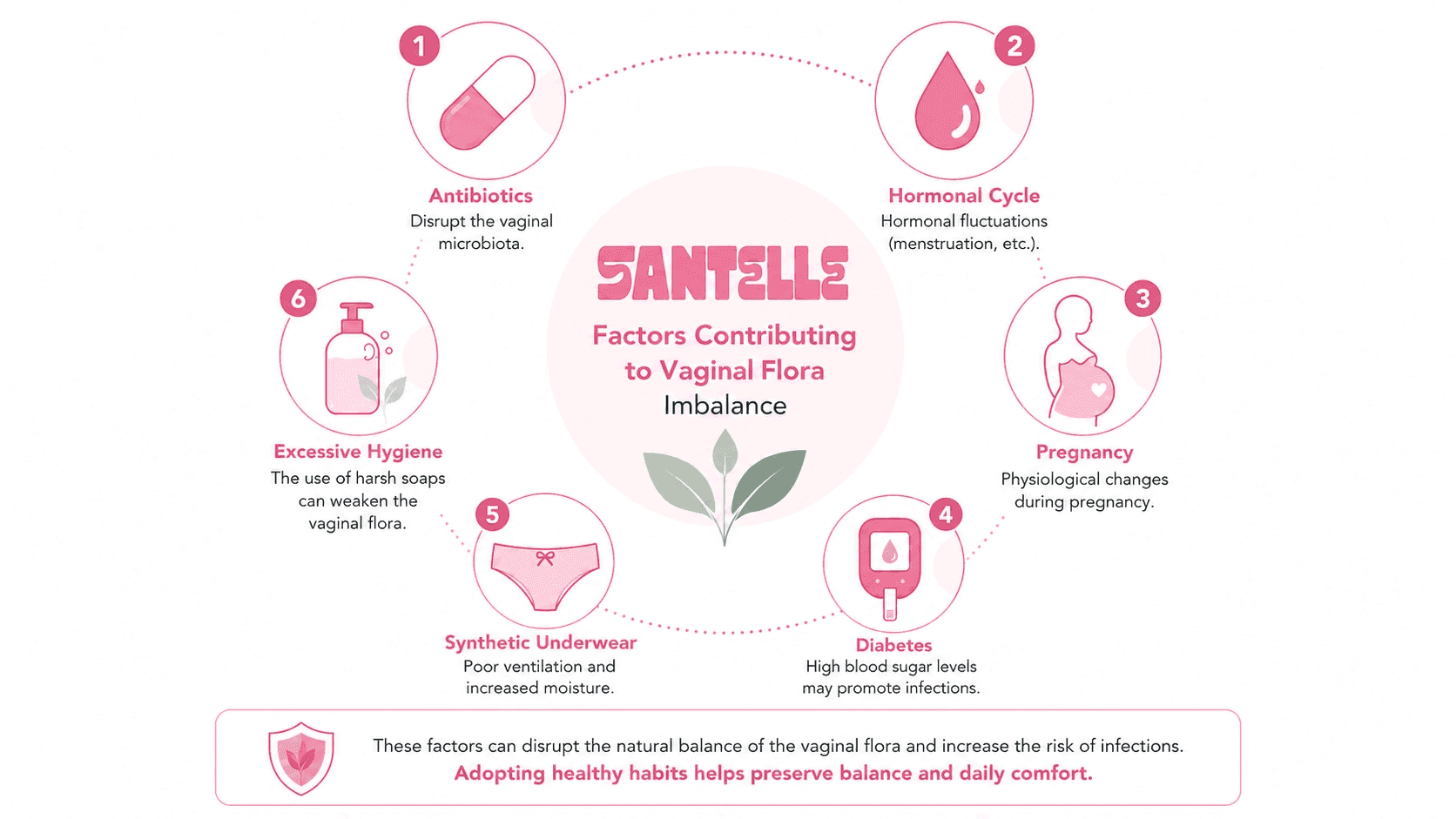
Antibiotics, stress, hormonal changes, high-sugar diets, and inappropriate intimate hygiene can all disrupt the vaginal microbiome, the community of beneficial bacteria that naturally protects the intimate area against infections and irritation.
How to Tell If Your Vaginal Flora Is Imbalanced
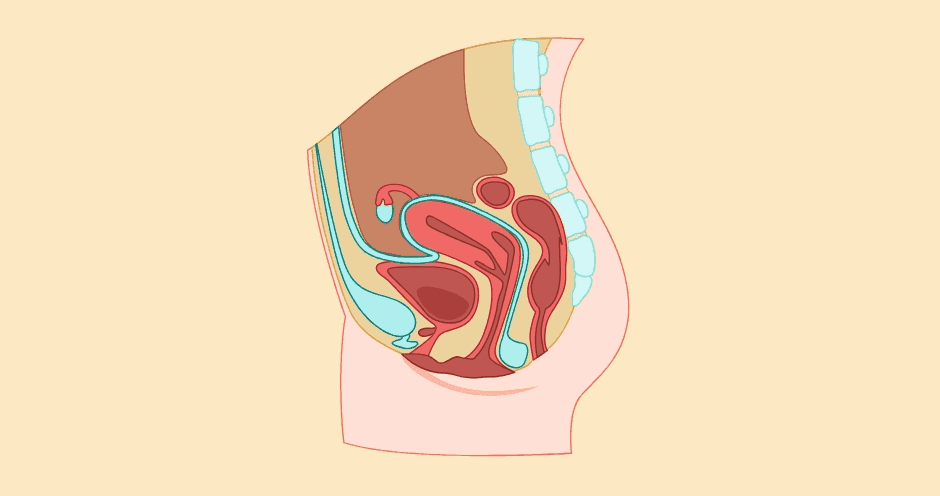
When the vaginal flora is healthy, you usually don’t notice it. There is no discomfort, no unusual odor, and no persistent irritation.
However, when the balance of the vaginal microbiome is disrupted, symptoms may appear gradually or suddenly.
!Treatment mycoses vaginales.png
Common Signs of an Imbalanced Vaginal Flora
The most frequent symptoms include:
itching or irritation of the vulva
a burning sensation
increased or unusual vaginal discharge
an unusual intimate odor
discomfort during sexual intercourse
vaginal dryness
recurring yeast infections or vaginal infections
These symptoms do not necessarily mean there is an infection. They may simply indicate that the beneficial bacteria protecting the area are reduced in number.
How to Naturally Restore Vaginal Flora Balance
If your vaginal flora is out of balance, you are probably looking for a quick solution.
However, contrary to popular belief, there is no miracle cure that can instantly restore a healthy vaginal microbiome.
The vaginal flora works like an ecosystem.
When it is disrupted by antibiotics, infection, hormonal changes, stress, or certain daily habits, it often takes several weeks to fully rebalance.
The good news is that several practical steps can naturally support the return of beneficial bacteria and reduce the risk of recurrence.
1. Eat a Diet That Supports Beneficial Bacteria
What you eat directly influences your gut microbiome, which is closely connected to vaginal health.
A diet rich in fiber, plant-based foods, and minimally processed ingredients helps create a more favorable environment for protective bacteria.
Focus on:
high-fiber vegetables (leeks, asparagus, artichokes, onions)
legumes
berries
whole grains
nuts and seeds
extra virgin olive oil
On the other hand, high intake of refined sugars and ultra-processed foods may contribute to microbial imbalance and can worsen conditions such as yeast infections in sensitive individuals.
2. Include More Fermented Foods
Fermented foods naturally contain beneficial microorganisms and help support overall microbial diversity.
The most interesting options include:
plain yogurt with live cultures
kefir
raw sauerkraut
kimchi
miso
kombucha
While these foods do not act directly on the vagina, they may help support overall microbiome balance.
3. Reduce Factors That Disrupt Vaginal Flora
Certain everyday habits are associated with a higher risk of vaginal imbalance.
Try to:
avoid vaginal douching
limit scented products in the intimate area
avoid excessive daily washing
change out of wet swimsuits quickly
avoid tight-fitting clothing for long periods
According to the World Health Organization, vaginal douching is a known risk factor for disrupting the vaginal microbiome and increasing the risk of bacterial vaginosis.
!image.png
4. Rethink Your Intimate Hygiene Routine
The vagina has a natural self-cleaning mechanism.
Contrary to common belief, overly aggressive hygiene can do more harm than good.
Simple recommendations include:
wash only the external vulva
use a gentle, pH-appropriate cleanser
avoid scented products
avoid antiseptics unless medically indicated
do not perform vaginal douching
The goal is not to “disinfect” the area, but to preserve its natural balance.
5. Wear More Breathable Underwear
Excess moisture can encourage the growth of certain microorganisms.
To reduce this risk:
choose cotton underwear
avoid synthetic fabrics for daily wear
change clothes quickly after exercise
wear looser clothing when possible
These are simple habits, but often underestimated.
6. Better Stress Management
Chronic stress affects immunity, hormones, and the gut microbiome.
Several studies suggest it may indirectly influence vaginal microbiome balance by disrupting the body’s natural defense systems.
To support long-term intimate health:
aim for 7–9 hours of sleep per night
engage in regular physical activity
reduce chronic stress when possible
allow time for rest and recovery
7. Can Probiotics Help Restore Vaginal Flora?
This is one of the most common questions when trying to restore vaginal balance naturally.
Probiotics are live microorganisms intended to support microbiome health. Certain strains of Lactobacillus have been widely studied for vaginal health, including:
Lactobacillus crispatus
Lactobacillus rhamnosus
Lactobacillus reuteri
Lactobacillus gasseri
Lactobacillus acidophilus
Research shows that a vaginal microbiome dominated by lactobacilli is generally associated with better intimate health. Among them, Lactobacillus crispatus is often considered one of the most protective species.
However, expectations should remain realistic.
In practice, probiotics may be considered:
after antibiotic treatment
in cases of frequent recurrence
as a complement to medical care
for long-term microbiome support
They should not replace medical treatment when an active infection is present.
8. Restoring Vaginal Flora After Antibiotics
Antibiotics are one of the most common causes of vaginal imbalance.
They can eliminate harmful bacteria but also temporarily reduce beneficial ones.
After antibiotic treatment, it may help to:
improve dietary quality
increase fiber intake
prioritize fermented foods
discuss probiotic use with a healthcare professional
For some women, balance returns within a few weeks. For others, recovery may take longer.
9. Be Patient: Vaginal Flora Does Not Rebalance Overnight
This is perhaps the most important point.
Many women expect symptoms to disappear within days, but rebuilding a stable vaginal microbiome often takes time.
As a general guide:
mild imbalances may improve within 1–2 weeks
after antibiotics, several weeks may be needed
in cases of frequent recurrence, recovery may take months
Consistency in daily habits is more important than any single quick fix.
10. When to See a Healthcare Professional
Natural approaches can support vaginal health, but they have limitations.
Seek medical advice if you experience:
significant pain
heavy or foul-smelling discharge
unusual bleeding
recurrent infections
persistent symptoms despite several weeks of effort
An imbalance in vaginal flora can sometimes mask a yeast infection, bacterial vaginosis, or another condition requiring specific treatment.
Why Do Some Women Experience Recurring Infections?
If yeast infections or bacterial vaginosis keep coming back despite treatment, it is often because the infection was treated but the underlying balance was not fully restored.
A healthy vaginal flora is mainly composed of lactobacilli, which help maintain an acidic pH and prevent the overgrowth of harmful microorganisms.
When their levels drop, the vagina becomes more vulnerable to recurrence.
Several factors can prevent long-term balance:
repeated antibiotic use
hormonal fluctuations (pregnancy, menstrual cycle, menopause, hormonal contraception)
chronic stress
smoking
poorly controlled diabetes
inadequate intimate hygiene habits
an unbalanced diet
a weakened gut microbiome
The Link Between Gut and Vaginal Microbiomes
The gut and vaginal microbiomes are closely connected. Some beneficial bacteria found in the vaginal flora originally come from the intestines.
When the gut microbiome is disrupted—such as after antibiotics, a low-fiber diet, or prolonged stress, it can also affect vaginal balance.
This is why specialists often recommend a holistic approach rather than focusing only on local symptoms.
Yeast Infection, Bacterial Vaginosis, or Simple Imbalance: How to Tell the Difference
When intimate discomfort appears, it is not always easy to understand what is happening.
Itching, unusual discharge, unpleasant odor, or irritation can have different causes.
However, yeast infections, bacterial vaginosis, and simple vaginal flora imbalance are not the same condition and do not always require the same treatment.
Key symptom comparison:
Symptoms | Yeast Infection | Bacterial Vaginosis | Imbalanced Vaginal Flora |
|---|---|---|---|
Itching | Very common | Less common | Mild to moderate |
Burning | Frequent | Sometimes | Possible |
Unusual odor | Rare | Very common | Possible |
Discharge | Thick, white | Thin, grayish/white | Variable |
Redness | Common | Rare | Possible |
Dryness/discomfort | Less common | Less common | Frequent |
Requires medical treatment | Yes | Yes | Not always |
When to Seek Prompt Medical Attention
Lifestyle measures can support vaginal health, but they are not a substitute for medical evaluation when symptoms persist, worsen, or feel unusual compared to what you’ve experienced before.
It is important to consult a healthcare professional without delay if you notice:
symptoms that persist despite several days or weeks of appropriate self-care
moderate to severe pain, burning, or swelling
unusual vaginal discharge, especially if it is heavy, persistent, or has a strong or unpleasant odor
bleeding between periods or any abnormal vaginal bleeding
recurrent infections (yeast infections, bacterial vaginosis, or mixed symptoms)
fever, fatigue, or general feeling of being unwell
pelvic or lower abdominal pain
symptoms occurring during pregnancy or postpartum
In many cases, a simple clinical examination is enough to clarify the situation.
Depending on the symptoms, a vaginal swab and/or pH testing may be performed to identify the underlying cause more accurately and guide targeted treatment.
The aim is not only to relieve discomfort, but also to correctly identify the root cause of the imbalance in order to prevent recurrence and support long-term vaginal health.
How to Naturally Restore Vaginal Flora Balance
Do you experience itching, burning, unusual discharge, or the feeling that your vaginal health keeps getting out of balance?
Many women will experience at least one episode of a yeast infection, bacterial vaginosis, or general intimate discomfort during their lives.
But when these imbalances keep coming back, it can be difficult to understand what is really happening—and, more importantly, how to restore lasting balance.
Antibiotics, stress, hormonal changes, high-sugar diets, and inappropriate intimate hygiene can all disrupt the vaginal microbiome, the community of beneficial bacteria that naturally protects the intimate area against infections and irritation.
How to Tell If Your Vaginal Flora Is Imbalanced
When the vaginal flora is healthy, you usually don’t notice it. There is no discomfort, no unusual odor, and no persistent irritation.
However, when the balance of the vaginal microbiome is disrupted, symptoms may appear gradually or suddenly.
!Treatment mycoses vaginales.png
Common Signs of an Imbalanced Vaginal Flora
The most frequent symptoms include:
itching or irritation of the vulva
a burning sensation
increased or unusual vaginal discharge
an unusual intimate odor
discomfort during sexual intercourse
vaginal dryness
recurring yeast infections or vaginal infections
These symptoms do not necessarily mean there is an infection. They may simply indicate that the beneficial bacteria protecting the area are reduced in number.
How to Naturally Restore Vaginal Flora Balance
If your vaginal flora is out of balance, you are probably looking for a quick solution.
However, contrary to popular belief, there is no miracle cure that can instantly restore a healthy vaginal microbiome.
The vaginal flora works like an ecosystem.
When it is disrupted by antibiotics, infection, hormonal changes, stress, or certain daily habits, it often takes several weeks to fully rebalance.
The good news is that several practical steps can naturally support the return of beneficial bacteria and reduce the risk of recurrence.

1. Eat a Diet That Supports Beneficial Bacteria
What you eat directly influences your gut microbiome, which is closely connected to vaginal health.
A diet rich in fiber, plant-based foods, and minimally processed ingredients helps create a more favorable environment for protective bacteria.
Focus on:
high-fiber vegetables (leeks, asparagus, artichokes, onions)
legumes
berries
whole grains
nuts and seeds
extra virgin olive oil
On the other hand, high intake of refined sugars and ultra-processed foods may contribute to microbial imbalance and can worsen conditions such as yeast infections in sensitive individuals.
2. Include More Fermented Foods
Fermented foods naturally contain beneficial microorganisms and help support overall microbial diversity.
The most interesting options include:
plain yogurt with live cultures
kefir
raw sauerkraut
kimchi
miso
kombucha
While these foods do not act directly on the vagina, they may help support overall microbiome balance.
3. Reduce Factors That Disrupt Vaginal Flora
Certain everyday habits are associated with a higher risk of vaginal imbalance.
Try to:
avoid vaginal douching
limit scented products in the intimate area
avoid excessive daily washing
change out of wet swimsuits quickly
avoid tight-fitting clothing for long periods
According to the World Health Organization, vaginal douching is a known risk factor for disrupting the vaginal microbiome and increasing the risk of bacterial vaginosis.
!image.png
4. Rethink Your Intimate Hygiene Routine
The vagina has a natural self-cleaning mechanism.
Contrary to common belief, overly aggressive hygiene can do more harm than good.
Simple recommendations include:
wash only the external vulva
use a gentle, pH-appropriate cleanser
avoid scented products
avoid antiseptics unless medically indicated
do not perform vaginal douching
The goal is not to “disinfect” the area, but to preserve its natural balance.

5. Wear More Breathable Underwear
Excess moisture can encourage the growth of certain microorganisms.
To reduce this risk:
choose cotton underwear
avoid synthetic fabrics for daily wear
change clothes quickly after exercise
wear looser clothing when possible
These are simple habits, but often underestimated.
6. Better Stress Management
Chronic stress affects immunity, hormones, and the gut microbiome.
Several studies suggest it may indirectly influence vaginal microbiome balance by disrupting the body’s natural defense systems.
To support long-term intimate health:
aim for 7–9 hours of sleep per night
engage in regular physical activity
reduce chronic stress when possible
allow time for rest and recovery
7. Can Probiotics Help Restore Vaginal Flora?
This is one of the most common questions when trying to restore vaginal balance naturally.
Probiotics are live microorganisms intended to support microbiome health. Certain strains of Lactobacillus have been widely studied for vaginal health, including:
Lactobacillus crispatus
Lactobacillus rhamnosus
Lactobacillus reuteri
Lactobacillus gasseri
Lactobacillus acidophilus
Research shows that a vaginal microbiome dominated by lactobacilli is generally associated with better intimate health. Among them, Lactobacillus crispatus is often considered one of the most protective species.
However, expectations should remain realistic.
In practice, probiotics may be considered:
after antibiotic treatment
in cases of frequent recurrence
as a complement to medical care
for long-term microbiome support
They should not replace medical treatment when an active infection is present.
8. Restoring Vaginal Flora After Antibiotics
Antibiotics are one of the most common causes of vaginal imbalance.
They can eliminate harmful bacteria but also temporarily reduce beneficial ones.
After antibiotic treatment, it may help to:
improve dietary quality
increase fiber intake
prioritize fermented foods
discuss probiotic use with a healthcare professional
For some women, balance returns within a few weeks. For others, recovery may take longer.
9. Be Patient: Vaginal Flora Does Not Rebalance Overnight
This is perhaps the most important point.
Many women expect symptoms to disappear within days, but rebuilding a stable vaginal microbiome often takes time.
As a general guide:
mild imbalances may improve within 1–2 weeks
after antibiotics, several weeks may be needed
in cases of frequent recurrence, recovery may take months
Consistency in daily habits is more important than any single quick fix.
10. When to See a Healthcare Professional
Natural approaches can support vaginal health, but they have limitations.
Seek medical advice if you experience:
significant pain
heavy or foul-smelling discharge
unusual bleeding
recurrent infections
persistent symptoms despite several weeks of effort
An imbalance in vaginal flora can sometimes mask a yeast infection, bacterial vaginosis, or another condition requiring specific treatment.
Why Do Some Women Experience Recurring Infections?
If yeast infections or bacterial vaginosis keep coming back despite treatment, it is often because the infection was treated but the underlying balance was not fully restored.
A healthy vaginal flora is mainly composed of lactobacilli, which help maintain an acidic pH and prevent the overgrowth of harmful microorganisms.
When their levels drop, the vagina becomes more vulnerable to recurrence.
Several factors can prevent long-term balance:
repeated antibiotic use
hormonal fluctuations (pregnancy, menstrual cycle, menopause, hormonal contraception)
chronic stress
smoking
poorly controlled diabetes
inadequate intimate hygiene habits
an unbalanced diet
a weakened gut microbiome
The Link Between Gut and Vaginal Microbiomes
The gut and vaginal microbiomes are closely connected. Some beneficial bacteria found in the vaginal flora originally come from the intestines.
When the gut microbiome is disrupted—such as after antibiotics, a low-fiber diet, or prolonged stress, it can also affect vaginal balance.
This is why specialists often recommend a holistic approach rather than focusing only on local symptoms.
Yeast Infection, Bacterial Vaginosis, or Simple Imbalance: How to Tell the Difference
When intimate discomfort appears, it is not always easy to understand what is happening.
Itching, unusual discharge, unpleasant odor, or irritation can have different causes.
However, yeast infections, bacterial vaginosis, and simple vaginal flora imbalance are not the same condition and do not always require the same treatment.
Key symptom comparison:
Symptoms | Yeast Infection | Bacterial Vaginosis | Imbalanced Vaginal Flora |
|---|---|---|---|
Itching | Very common | Less common | Mild to moderate |
Burning | Frequent | Sometimes | Possible |
Unusual odor | Rare | Very common | Possible |
Discharge | Thick, white | Thin, grayish/white | Variable |
Redness | Common | Rare | Possible |
Dryness/discomfort | Less common | Less common | Frequent |
Requires medical treatment | Yes | Yes | Not always |
When to Seek Prompt Medical Attention
Lifestyle measures can support vaginal health, but they are not a substitute for medical evaluation when symptoms persist, worsen, or feel unusual compared to what you’ve experienced before.
It is important to consult a healthcare professional without delay if you notice:
symptoms that persist despite several days or weeks of appropriate self-care
moderate to severe pain, burning, or swelling
unusual vaginal discharge, especially if it is heavy, persistent, or has a strong or unpleasant odor
bleeding between periods or any abnormal vaginal bleeding
recurrent infections (yeast infections, bacterial vaginosis, or mixed symptoms)
fever, fatigue, or general feeling of being unwell
pelvic or lower abdominal pain
symptoms occurring during pregnancy or postpartum
In many cases, a simple clinical examination is enough to clarify the situation.
Depending on the symptoms, a vaginal swab and/or pH testing may be performed to identify the underlying cause more accurately and guide targeted treatment.
The aim is not only to relieve discomfort, but also to correctly identify the root cause of the imbalance in order to prevent recurrence and support long-term vaginal health.
How to Naturally Restore Vaginal Flora Balance
Discover how to naturally restore vaginal flora balance, recognize signs of imbalance, and effectively prevent recurrences.
© 2026 Santelle Sàrl+41 79 738 46 35c/o Roxanne SabbagRoute de Pressy 5b1253 Vandoeuvres, CH

© 2026 Santelle Sàrl. +41 79 738 46 35Roxanne Sabbag, Route de Pressy 5b, 1253 Vandoeuvres, CH

© 2026 Santelle Sàrl+41 79 738 46 35c/o Roxanne SabbagRoute de Pressy 5b1253 Vandoeuvres, CH